












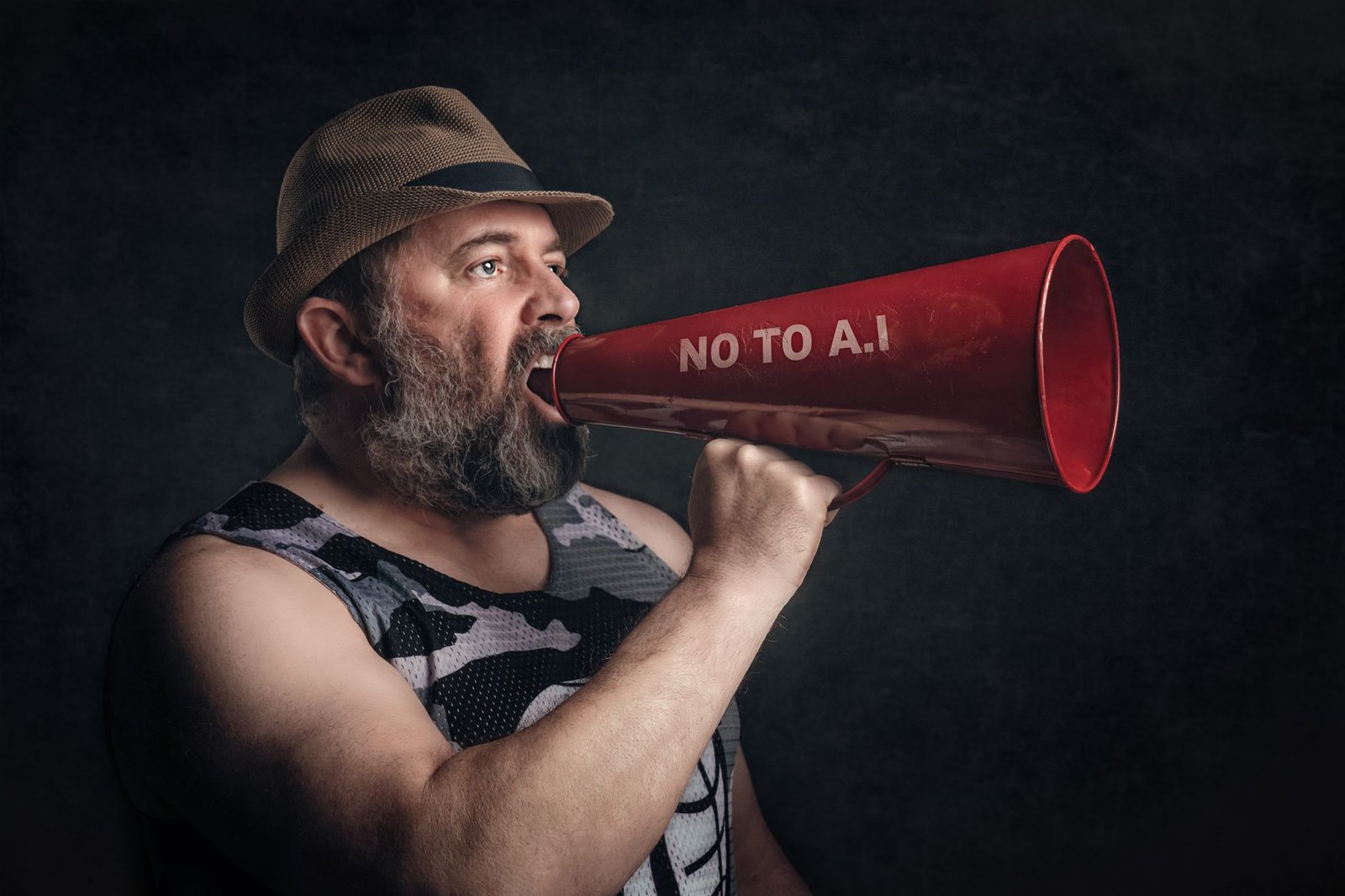
The AI regulation debate is heating up as experts discuss the importance of safety tests and kill switches. Businesses must navigate these regulations to ensure compliance and safety in their operations.
Understanding the AI Regulation Debate
The AI regulation debate has gained significant attention as businesses increasingly integrate artificial intelligence into their operations. Stakeholders are calling for a balance between innovation and safety, underscoring the necessity of regulations that protect users while fostering technological advancement.
Proponents of AI regulation argue that without proper oversight, the risks associated with AI technologies could outweigh their benefits. They advocate for measures such as:
- Safety tests to assess the reliability of AI systems before deployment, ensuring they operate safely in real-world scenarios.
- Kill switches that allow for immediate shutdown of AI systems in case of malfunction or unintended behavior.
- Transparency requirements to enable stakeholders to understand how AI systems make decisions.
On the other hand, critics of strict regulations warn that excessive control could stifle innovation and hinder the competitive edge of businesses in the tech industry. They argue for a more collaborative approach, emphasizing the role of self-regulation and industry standards.
As the discussion evolves, finding common ground between safety and innovation remains crucial in the ongoing AI regulation debate.
Key Safety Measures for AI
The ongoing AI regulation debate highlights the importance of implementing effective safety measures to mitigate risks associated with artificial intelligence. As businesses increasingly adopt AI technologies, ensuring safety becomes paramount. Key safety measures proposed by experts include:
- Safety Tests: Regular and comprehensive safety assessments are essential to identify potential risks and vulnerabilities in AI systems. These tests help ensure that AI functions reliably and safely in various scenarios.
- Kill Switches: Incorporating emergency shutdown mechanisms, or ‘kill switches,’ allows operators to disable AI systems in case of unexpected behavior or failure. This measure is crucial for maintaining control over AI applications.
- Transparency Requirements: Mandating transparency in AI algorithms can foster trust and accountability. Businesses should be required to disclose how their AI systems make decisions and the data used in their training.
- Ethical Guidelines: Establishing ethical frameworks for AI development and deployment can help guide businesses in creating responsible AI solutions that prioritize user safety and societal well-being.
These measures are vital to the AI regulation debate, as they aim to protect users while promoting innovation in the industry.
The Role of Kill Switches in Technology
The ongoing AI regulation debate has brought to the forefront the importance of implementing effective safety measures, particularly the concept of “kill switches” in technology. These emergency shutdown mechanisms are designed to halt AI systems in the event of malfunction or harmful behavior.
Kill switches serve several critical functions:
- Risk Mitigation: They provide a safety net, reducing potential risks associated with AI systems operating autonomously.
- Control: These mechanisms allow human operators to regain control quickly, ensuring that AI does not operate outside intended parameters.
- Trust: Implementing kill switches can enhance public trust in AI technologies, as users feel more secure knowing there is a way to disable systems if necessary.
However, the integration of kill switches also raises important questions about accountability and responsibility. Who should be responsible for ensuring that these systems are effectively implemented and maintained? As the AI regulation debate continues, stakeholders must find a balance between innovation and safety, making sure that protective measures like kill switches are standard in AI development and deployment.
Expert Opinions on AI Safety
In the ongoing AI regulation debate, experts emphasize the importance of establishing comprehensive safety measures to protect both businesses and consumers. Dr. Emily Chen, a leading researcher in artificial intelligence, argues that “the rapid evolution of AI technologies necessitates a proactive approach to regulation.” She highlights that without clear guidelines, the potential for misuse and unintended consequences increases significantly.
Moreover, Professor Mark Davis, an ethics scholar, suggests that collaboration between tech companies and regulatory bodies is essential. “We need to foster an environment where innovation can thrive alongside robust safety protocols,” he states. This includes rigorous safety tests and the implementation of effective kill switches to mitigate risks.
Additionally, Sarah Lopez, a policy analyst, warns of the consequences of inadequate oversight. “If we don’t address the regulatory gaps now, we may face serious challenges in the future,” she notes. Experts agree that a balanced approach, integrating technical safety measures with ethical considerations, is crucial for a sustainable AI landscape.
As the AI regulation debate continues, finding common ground among stakeholders will be key to developing a framework that prioritizes safety while encouraging innovation.
Future Implications of AI Regulations
The future implications of AI regulations are becoming increasingly significant as advancements in technology continue to evolve at a rapid pace. As the AI regulation debate unfolds, businesses must navigate a landscape shaped by both innovation and the need for safety measures.
Experts predict that well-defined regulations will lead to:
- Enhanced consumer trust: With clear guidelines in place, users are more likely to engage with AI technologies, knowing that their safety is prioritized.
- Increased collaboration: Companies may work together to establish best practices, fostering an environment of shared responsibility and innovation.
- Encouragement of ethical practices: Regulations can promote ethical considerations in AI development, ensuring that businesses prioritize social responsibility.
However, the debate raises concerns about overregulation potentially stifling innovation. Striking a balance between safety and progress is essential. As stakeholders engage in discussions surrounding the AI regulation debate, it will be crucial to consider both the immediate and long-term effects of regulatory measures on the industry and society at large.
Ultimately, the path forward will depend on collaboration among policymakers, technologists, and business leaders to craft regulations that safeguard the future of AI.
Photo by Murry Lee on Pexels