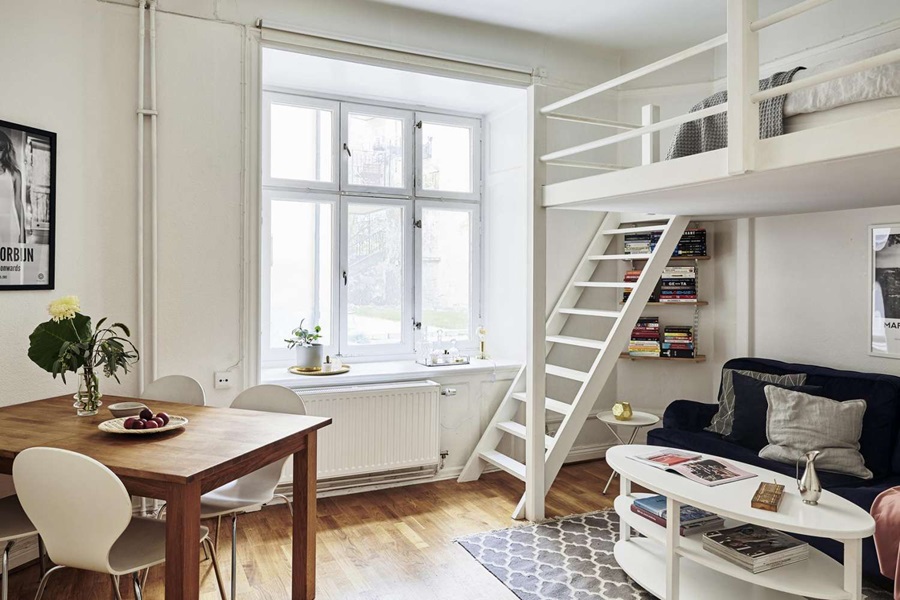







Skirting boards are an essential finishing touch in any home, providing both functional and aesthetic benefits. They protect walls from scuffs and damage while adding definition and style to a room. Installing skirting boards might appear simple, but achieving a smooth and professional finish requires careful planning and precise execution. Here are some practical tips to help you install skirting boards effectively and enhance the overall appearance of your interiors.
Choose the Right Type and Material
Selecting the appropriate skirting board is the first step toward a successful installation. Consider the style of your home when choosing the profile. Traditional properties often suit ornate or detailed skirting, while modern spaces benefit from clean, minimalist designs. Material choice is equally important. MDF is a popular, cost-effective option that is easy to work with and can be painted in various colors. Solid wood offers durability and a natural finish, while vinyl or PVC skirting is ideal for areas exposed to moisture.
Prepare Your Walls and Floor
A flawless skirting board installation starts with surface preparation. Ensure that the walls are smooth, dry, and free of dust or debris. Check for any uneven areas and fill cracks or holes with suitable filler. Similarly, the floor should be clean and level to ensure the skirting sits flush. Proper preparation prevents gaps, misalignment, and other issues that can compromise the overall finish.
Measure Accurately and Cut Precisely
Accurate measurement is critical for a professional-looking result. Measure the length of each wall carefully and mark the skirting boards accordingly. Use a mitre saw to make precise 45-degree cuts for corners, ensuring that the boards meet neatly without gaps. For straight cuts, a fine-toothed saw provides clean edges. Always double-check measurements before cutting to avoid mistakes that could waste material and time.
Dry Fit the Skirting Boards
Before fixing the boards permanently, carry out a dry fit by positioning each piece along the wall. This allows you to check alignment, corner joints, and overall fit. Any adjustments needed can be made at this stage, preventing problems during the final installation. A proper dry fit ensures that all skirting boards align seamlessly and sit correctly against the wall and floor.
Fix the Skirting Boards Securely
There are several methods for fixing skirting boards, including adhesive, nails, or screws. Adhesive is often preferred for a clean, seamless look without visible fixings. When using nails, ensure they are slightly countersunk and filled afterward to hide them. Apply even pressure along the board while fixing it in place, and use a spirit level to check that it is straight and properly aligned.
Fill Gaps and Sand for a Smooth Finish
Once the skirting boards are installed, fill any gaps, joints, or nail holes with a suitable filler. Allow it to dry completely, then sand the filled areas lightly to create a smooth, even surface. This step is crucial for achieving a polished finish and ensures that the skirting boards blend naturally with the surrounding walls and floor.
Paint or Stain for a Professional Look
The final step is to finish the skirting boards with paint or stain. Apply a primer first if you are painting bare wood or MDF. Once the primer dries, add one or two coats of your chosen paint or finish, sanding lightly between coats for a flawless surface. High-quality brushes or rollers provide even coverage and prevent streaks or brush marks, giving your skirting boards a professional appearance.
Conclusion
Skirting boards may seem like a small detail, but they play a significant role in the overall look and protection of your home. By selecting the right style and material, preparing surfaces, measuring and cutting accurately, and finishing with care, you can achieve a smooth and professional result. With patience and attention to detail, your skirting boards will not only protect your walls but also enhance the elegance and style of your interior spaces.