






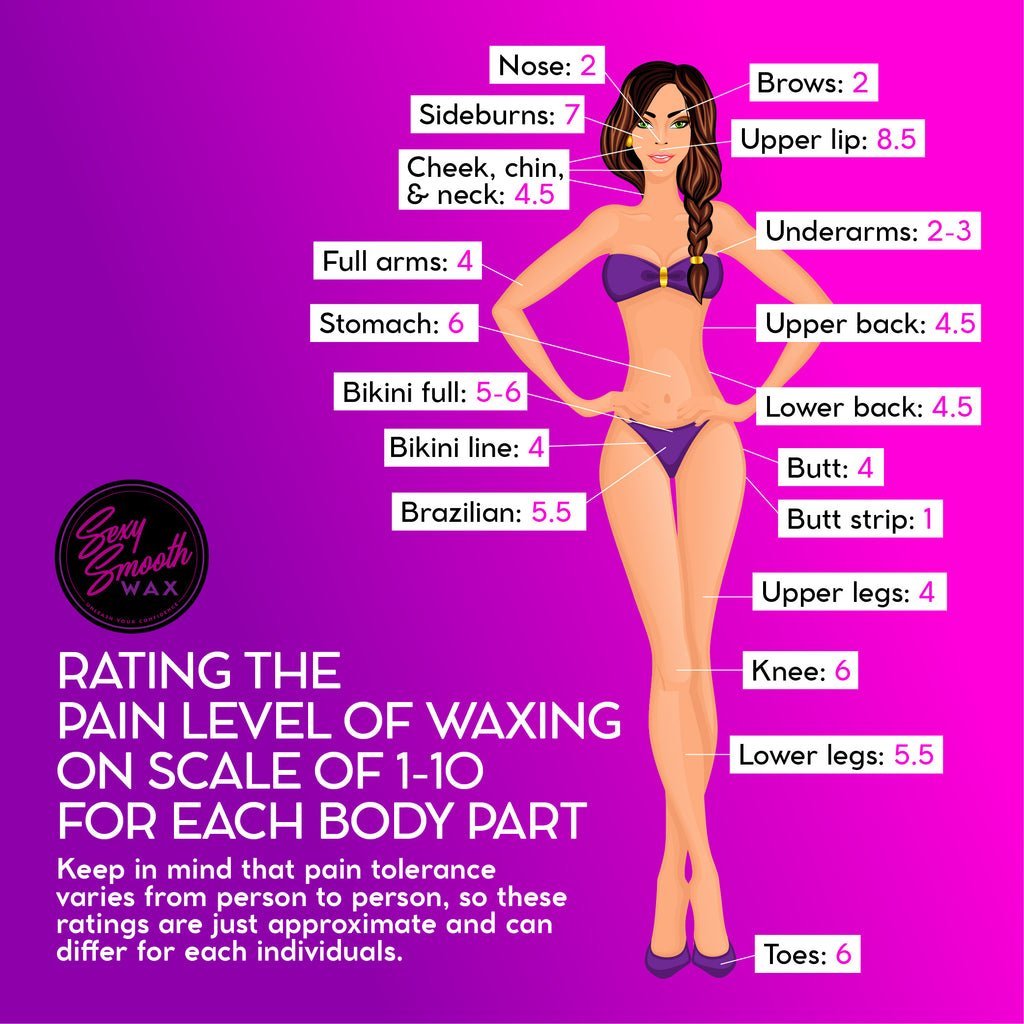
Waxing, a common method for removing unwanted hair, can be a source of anxiety for many. How bad does waxing hurt? The level of pain varies from person to person. Factors such as pain tolerance, skin sensitivity, and the experience of the esthetician play crucial roles. However, with proper preparation and aftercare, the discomfort can be minimized. Let’s explore some tips and tricks to make your next waxing session as comfortable as possible.

How Bad Does Waxing Hurt: A Detailed Exploration
Welcome, readers! If you’ve ever considered getting waxed but hesitated due to fear of pain, you’re not alone. The question on everyone’s mind is: how bad does waxing hurt? In this comprehensive guide, we’ll delve into the world of waxing to uncover the truth about this popular hair removal method. Let’s explore together!
The Basics of Waxing
Before we dive into the nitty-gritty of pain levels, it’s essential to understand how waxing works. Waxing involves applying a layer of warm wax to the skin in the direction of hair growth and then quickly removing it in the opposite direction, pulling out the hair from the root. This process results in smooth and hair-free skin for a more extended period compared to shaving.
Factors That Influence Pain Levels
Several factors can affect how much waxing hurts, including:
1. Pain Tolerance
Each person’s pain tolerance level is different. What may feel mildly uncomfortable to one person could be more painful for another. It’s essential to know your body and how it responds to different stimuli.
2. Sensitivity of Skin
Some areas of the body are more sensitive than others. For instance, the bikini area and underarms tend to be more sensitive, while the legs may be less so. The sensitivity of your skin can impact how much discomfort you feel during waxing.
3. Skill of the Esthetician
The expertise of the person performing the waxing also plays a role in how much it hurts. A skilled esthetician will know the right techniques to minimize pain and discomfort during the process.
4. Type of Wax
There are different types of wax available, such as hard wax and soft wax. Hard wax is less painful as it only adheres to the hair and not the skin, while soft wax can be more uncomfortable as it sticks to the skin as well.
What to Expect During a Waxing Session
When you arrive at the salon for your waxing appointment, the esthetician will guide you through the process. They will cleanse your skin, apply the wax, and swiftly remove it to pull out the unwanted hair. While you may feel a quick sting or pinch as the wax is ripped off, the sensation is typically brief.
Many people find that the anticipation of pain is more significant than the actual discomfort they experience during the waxing session. Taking deep breaths and focusing on relaxing can help reduce any pain you might feel.
Tips for Minimizing Discomfort
If you’re concerned about how much waxing will hurt, here are some tips to help minimize discomfort:
1. Take a Pain Reliever
Taking a mild pain reliever, such as ibuprofen, 30 minutes before your waxing appointment can help reduce any pain you might feel during the session.
2. Avoid Caffeine
Caffeine can make you more sensitive to pain, so try to avoid coffee or other caffeinated beverages before your appointment.
3. Exfoliate Beforehand
Gently exfoliating the area to be waxed a day or two before your appointment can help the wax adhere better to the hair and reduce discomfort during the process.
4. Communicate with Your Esthetician
Don’t be afraid to communicate with your esthetician about any concerns or preferences you have regarding pain management. They can adjust their technique to help make the experience more comfortable for you.
The Aftercare Process
After your waxing session, it’s essential to take care of your skin to prevent irritation and ingrown hairs. Your esthetician will provide you with aftercare instructions, which may include:
1. Avoiding Hot Water
Avoid hot baths or showers immediately after waxing, as the heat can irritate the skin further. Stick to lukewarm water instead.
2. Moisturizing Regularly
Keep your skin hydrated by applying a gentle moisturizer to the waxed areas to soothe any redness or irritation.
3. Exfoliating Weekly
To prevent ingrown hairs, exfoliate the waxed areas once a week to remove dead skin cells and promote healthy hair regrowth.
So, how bad does waxing hurt? The truth is that everyone’s pain tolerance and experience will vary. While waxing may cause some discomfort, the results of smooth and hair-free skin can outweigh the brief sting during the process. By following the tips provided and communicating with your esthetician, you can make your waxing experience as comfortable as possible. Remember, beauty is pain, but it doesn’t have to be unbearable!
Have you tried waxing before? Share your experience in the comments below!
Thank you for reading, and happy waxing!
How Wax Hair Removal Works 😱
Frequently Asked Questions
How painful is waxing for first-timers?
For first-timers, waxing can be uncomfortable as your hair follicles are more intact, making the process slightly more painful. However, many find the discomfort manageable and the results worth it. The sensation varies from person to person, but the pain is usually temporary and lessens with subsequent sessions.
Is there anything that can help minimize the pain during waxing?
There are a few tips to help minimize the discomfort during waxing. Taking a pain reliever 30 minutes before your appointment can help reduce the pain. Additionally, avoiding caffeine and alcohol prior to your session can help decrease sensitivity. Engaging in deep breathing techniques during the process can also help relax your body, making the experience more manageable.
Does the level of pain vary depending on the body part being waxed?
Yes, the level of pain can vary depending on the body part being waxed. Typically, areas with thinner and more sensitive skin, such as the bikini line or underarms, may be more painful than areas with thicker skin, like the legs. However, everyone’s pain tolerance differs, so what may be very painful for one person could be tolerable for another.
Final Thoughts
In conclusion, the pain level of waxing varies depending on individual tolerance. Factors such as type of wax, skill of the esthetician, and area being waxed can influence the level of discomfort. While some find waxing to be relatively manageable, others may experience more intense pain. Overall, how bad does waxing hurt is a subjective experience. It is advisable to communicate openly with your esthetician and practice proper aftercare to minimize any discomfort.