












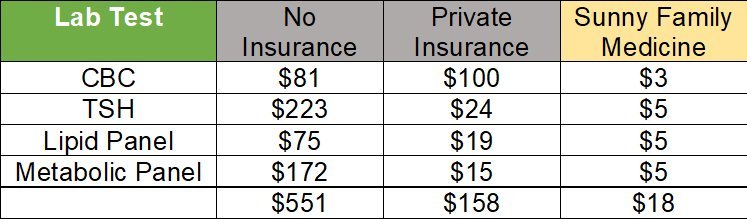
Without insurance, the cost of blood work can vary significantly depending on the type of test. Generally, basic blood work without insurance can range from $100 to $1,500. Additional tests or specialized panels can increase the price further. The key is to explore affordable options like discounted cash prices or utilizing community health clinics. Understanding how much is blood work without insurance is crucial for managing healthcare expenses effectively. Let’s delve deeper into this topic to decipher cost-saving strategies and navigate the world of healthcare pricing.

How Much is Blood Work Without Insurance: A Detailed Guide
Welcome to our comprehensive guide on the cost of blood work without insurance. Getting blood work done is an essential part of maintaining good health, but the expenses can add up, especially if you don’t have insurance coverage. In this article, we will break down the different factors that influence the cost of blood work, provide tips on how to save money, and offer alternatives for affordable healthcare options. Let’s dive in!
The Basics of Blood Work
Before we discuss the costs, let’s understand what blood work is and why it is important. Blood work, also known as a blood test, is a medical procedure that involves drawing blood from a patient to analyze various components such as red blood cells, white blood cells, platelets, and different chemicals in the blood.
Doctors use blood work results to diagnose medical conditions, monitor ongoing treatments, and assess overall health. Common tests include complete blood count (CBC), cholesterol levels, blood glucose levels, and liver function tests. Now that we know the significance of blood work, let’s explore how much it can cost without insurance.
Factors Affecting the Cost of Blood Work
Several factors can influence the price of blood work without insurance. Understanding these factors can help you estimate the potential costs and plan your budget accordingly. Let’s take a look at some of the primary factors:
1. Type of Tests
The cost of blood work can vary based on the type and number of tests required. Basic tests like CBC are typically less expensive, while specialized tests or panels may cost more. Discuss with your healthcare provider to determine which tests are necessary for your specific health needs.
2. Healthcare Provider
The cost of blood work can also differ depending on the healthcare provider or laboratory you choose. Private labs, hospitals, and clinics may have varying price structures for their services. It’s advisable to compare prices and inquire about any discounts or financial assistance programs available.
3. Location
Geographical location plays a role in determining the cost of blood work. Urban areas with higher living costs may have more expensive healthcare services compared to rural areas. Consider exploring healthcare options in nearby areas to find more affordable options.
4. Additional Fees
In some cases, additional fees such as consultation charges, administrative fees, or processing fees may be added to the total cost of blood work. Make sure to inquire about all potential charges upfront to avoid any surprises.
Estimating the Cost of Blood Work
While it’s challenging to provide an exact cost without knowing your specific requirements, we can offer a general idea of the price range for common blood tests. Keep in mind that these are approximate figures and actual costs may vary:
1. Complete Blood Count (CBC):
A basic CBC test can cost anywhere from $30 to $100 without insurance coverage.
2. Cholesterol Levels:
Testing cholesterol levels may range from $50 to $150, depending on the type of test and the facility.
3. Blood Glucose Test:
A blood glucose test can cost between $20 to $100, but prices can fluctuate based on the test method and location.
4. Liver Function Tests:
More specialized tests like liver function panels may cost around $100 to $300 without insurance.
Ways to Save on Blood Work Costs
Now that we have an idea of the potential costs, let’s explore some strategies to help you save money on blood work without insurance:
1. Look for Discounts:
Many healthcare providers offer discounts for cash-paying patients. Don’t hesitate to ask about discounted rates or promotions for blood work services.
2. Compare Prices:
Shop around and compare prices from different labs and facilities. You may find significant cost variations that could help you save money.
3. Consider Community Health Clinics:
Community health clinics often provide affordable healthcare services, including blood work, for uninsured individuals. These clinics may offer sliding-scale fees based on income.
4. Inquire About Payment Plans:
Some healthcare providers may offer payment plans or financial assistance options to help you manage the cost of blood work over time. Don’t hesitate to discuss your financial concerns with the billing department.
Alternative Healthcare Options
If the cost of blood work without insurance is still prohibitive, consider exploring alternative healthcare options that may be more budget-friendly:
1. Free Health Screenings:
Many community organizations and health fairs offer free health screenings, including blood pressure checks, cholesterol screenings, and blood glucose tests. Take advantage of these opportunities to monitor your health at no cost.
2. Telehealth Services:
Telehealth platforms provide virtual healthcare consultations and may offer blood work services at reduced rates. Explore telehealth options for affordable and convenient healthcare solutions.
3. Public Health Programs:
Check if your state or local government offers public health programs that include low-cost or free blood work services for uninsured individuals. These programs aim to promote access to essential healthcare services for all community members.
In conclusion, the cost of blood work without insurance can vary based on several factors, including the type of tests, healthcare provider, location, and additional fees. By understanding these factors and exploring cost-saving strategies, you can manage the expenses associated with blood work more effectively. Remember to prioritize your health and seek affordable healthcare options to stay proactive in monitoring your well-being. Stay informed, stay healthy!
We hope this guide has provided valuable insights into the cost of blood work without insurance. If you have any questions or need further assistance, feel free to reach out to us. Take care!
I don’t go to the Doctor. I BUY my own Blood Tests: Here's why
Frequently Asked Questions
How can I find out the cost of blood work without insurance?
To determine the cost of blood work without insurance, it’s best to contact the lab or healthcare provider directly. They can provide you with pricing information based on the specific tests you need.
Are there any affordable options for getting blood work done without insurance?
Some labs and healthcare providers offer discounted rates or payment plans for individuals without insurance. It’s recommended to inquire about any available financial assistance programs or sliding-scale fees that may help reduce the cost.
What factors can influence the price of blood work without insurance?
The cost of blood work without insurance can vary depending on factors such as the number and type of tests needed, the lab or healthcare provider you choose, and any additional services or consultations required. It’s advisable to discuss these details upfront to get a clear understanding of the total cost.
Final Thoughts
Without insurance, the cost of blood work varies based on the type of tests required. Basic blood work can range from $100 to $1,500, while more complex tests may significantly increase the cost. Healthcare facilities and private labs usually offer discounted rates for self-pay patients. Negotiating with healthcare providers or seeking community health clinics can also help lower the expenses. Understanding how much is blood work without insurance is crucial for individuals seeking affordable healthcare options.